
From Brandon Martini
Sherry Is Not What You Think: Our $30 Solera System Flight
November 20, 2026
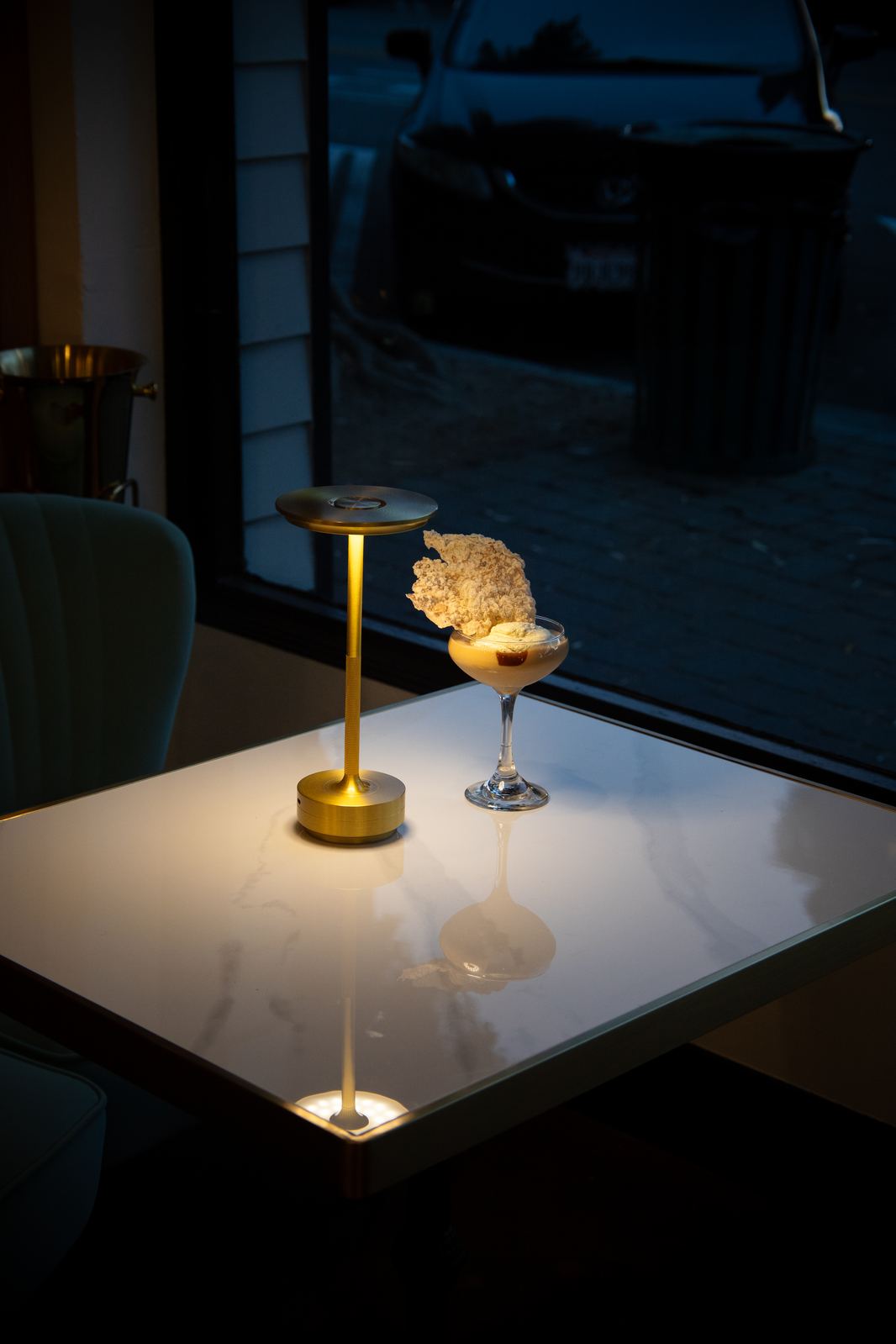
The bottle most people picture when they hear the word sherry lived in a relative's cabinet for ten years, sweet and brown, poured once a year into a very small glass. That bottle exists. It's also the reason the word makes so many people wince.
Here's the other side. At Solera, on Main Street in Seal Beach, we pour a sherry flight called the Solera System: three two-ounce pours for $30, Osborne Manzanilla, González Byass Leonor Palo Cortado 12 Años, and González Byass Nectar Pedro Ximénez, in that order. Two of the three are bone dry. It's listed under Flights on our wine list, and it's the quickest sherry education I know how to give. Twenty minutes, three glasses, and the cabinet bottle in your head gets replaced with the real thing.
Why does sherry have a sweet reputation?
Because the sweet, dark styles were the ones that traveled. Blends sweetened for export got labeled cream sherry, and in this country that bottle became the whole category in most people's minds, with the cooking-wine aisle finishing the job.
Sherry itself is a fortified wine from Jerez, in Andalusia at the southwest corner of Spain. Fortified means a little grape spirit is added along the way. Most of what Jerez makes is pale, dry, and built from one white grape, Palomino. It's meant to be drunk cold and fresh, and the dry wines just never got introduced properly here.
First glass: Manzanilla, cold and salty
Osborne Manzanilla Very Dry is the lightest of the three, and the one I'd hand a skeptic first. Manzanilla can only come from Sanlúcar de Barrameda, the town where the Guadalquivir river meets the Atlantic. It ages in barrel under flor, a film of living yeast that grows across the surface of the wine and seals it off from the air. The flor keeps the wine pale and lean and gives it a bready, green-almond note. In Sanlúcar the damp sea air keeps that yeast layer thick all year, which is why Manzanilla tastes lighter and saltier than a fino from inland Jerez.
Served cold, it reads like a crisp white wine with a tide line on it. Our Kermit's Olives ($13), Mediterranean olives with orange zest, fried garlic, a marsala reduction, and Sicilian sea salt, belong next to it. So does The Boarding Pass: salt, fat, and cured things are what this wine was made for.
Second glass: Palo Cortado, the wine that changed its mind
Same grape as the Manzanilla, same dry finish, and a completely different life.
A palo cortado begins the way a fino does, under flor. At some point the flor fades, the cellar fortifies the wine a little higher so the flor can't return, and the wine is left to age in contact with the air instead. The old description from Jerez is that it has the nose of an amontillado and the body of an oloroso. In plainer terms: amber in color, nutty and savory, with dried orange peel and a finish that keeps going after you've set the glass down.
The 12 Años on the González Byass Leonor label is a certified average age. The wine spent, on average, twelve years moving down through a solera, the fractional-blending system that gave our restaurant its name. I wrote about what a solera actually is when we opened the blog; this glass is that method in liquid form.
Nutty dry sherry next to caramelized onion and beef broth is one of the oldest pairings I know, so order the Captain's Crock, our French onion soup, with this glass. The Mushroom Medley ($14) does the same job on the vegetable side.
Third glass: Pedro Ximénez, where the sweet reputation comes from
The González Byass Nectar is sweet, and it got there honestly. Pedro Ximénez grapes are laid out in the sun after picking until they shrivel most of the way to raisins. Pressing them gives a juice so dense with sugar that fermentation barely gets going before it's stopped with grape spirit, and most of that sugar stays in the glass. The wine that results is nearly black, thick enough to coat the glass, and tastes of figs, raisins, molasses, and coffee. It's the opposite of the Manzanilla in every measurable way, and it comes from the same small corner of Spain.
Two ounces of it is a serious pour. Tyler's Warm Up, our butterscotch pudding with anise caramel, pistachio cream, and a cinnamon rice crisp, is the dessert I'd set beside it. The classic move in Jerez is a spoonful of PX over vanilla ice cream; we have The Smooth Landing, hand-scooped gelato, vanilla unless you ask for something else, and nobody here will stop you.
How I'd drink the three of them
In order, dry to sweet, and taste the Manzanilla first while it's still cold. Then, after the PX, go back and take one more sip of the Manzanilla. It will taste sharper, almost bitter, than it did ten minutes earlier. The wine hasn't changed. Your palate has, and that little experiment explains why sommeliers fuss over the order of a tasting.
I'd put the flight at the start of a meal rather than the end, because the Manzanilla belongs with the first plates and the Palo Cortado with something savory. Nobody will rush you through it either way. Each of the three is on the list by itself too, in three-ounce pours only: the Manzanilla at $15, or $50 for the bottle; the Leonor at $16, or $29 for its 375ml half bottle; the Nectar at $16, or $28 for the half bottle. The house rule that a single glass may be poured from any bottle for half the bottle price applies here like everywhere else on the list.
Sherry is a wine I took a long time to come around to, and the flight exists because I'd like to save you that time. If I'm in the room, I'll pour it myself; if not, ask whoever is behind the bar for the Solera System. We're open Sunday through Thursday until 10 and Friday and Saturday until 11, and a table is easy to reserve if you'd rather not leave it to chance.
What is in the Solera System sherry flight?
Three two-ounce pours for $30: Osborne Manzanilla Very Dry from Sanlúcar de Barrameda, González Byass Leonor Palo Cortado 12 Años, and González Byass Nectar Pedro Ximénez. The first two are bone dry; the Pedro Ximénez is sweet. It is listed under Flights on Solera's wine list in Seal Beach.
Is sherry sweet?
Most of it is not. The majority of sherry made in Jerez, Spain is bone dry, made from the Palomino grape and served cold. The main sweet styles are Pedro Ximénez, made from sun-dried grapes, and the sweetened blends sold as cream sherry. Solera's flight pours two dry sherries and one Pedro Ximénez so you can taste the range side by side.
Join the Solera list
Get on our list for updates on events and our restaurant